
Showing all 7 results
-

 Original price was: ₹350.00.₹200.00Current price is: ₹200.00.
 -
 Original price was: ₹2,200.00.₹1,800.00Current price is: ₹1,800.00.
 -
 Original price was: ₹350.00.₹200.00Current price is: ₹200.00.
 -
Original price was: ₹350.00.₹200.00Current price is: ₹200.00.
-
 Original price was: ₹800.00.₹500.00Current price is: ₹500.00.
 -
 Original price was: ₹380.00.₹170.00Current price is: ₹170.00.
 -
 Original price was: ₹1,700.00.₹1,200.00Current price is: ₹1,200.00.
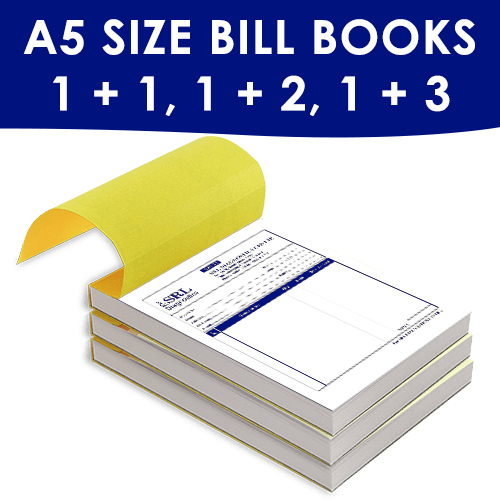
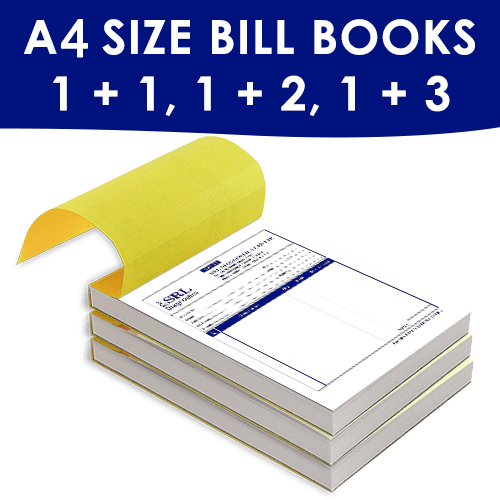
A bill book is a record-keeping tool commonly used in accounting and business for tracking financial transactions, such as invoices, bills, and receipts. It helps maintain an organized record of income and expenses, which is essential for businesses, especially in managing cash flow and ensuring accuracy during financial audits. A bill book typically includes details like date, customer or vendor name, transaction amount, due date, and payment status. This tool can be managed manually in a ledger or digitally in accounting software, providing a reliable reference for financial records and expense tracking.
Understanding the Essential Role and Benefits of a Bill Book for Small Businesses
In the world of small business, managing finances and keeping accurate transaction records is essential. One key tool in this area is the bill book, a straightforward yet invaluable resource for organizing financial dealings. But what exactly is a bill book, and why is it so important for businesses? This article will explore these questions and more to help you understand the crucial role of a bill book in your business.
What is a Bill Book?
A bill book is a record-keeping tool that contains information on all transactions made by a business. It’s used to log details like item descriptions, prices, quantities, and customer details for each transaction. Whether physical or digital, a bill book serves as an official document that helps in tracking sales and ensuring the financial accuracy of a business.
Types of Bill Books
Manual vs. Digital Bill Books
Bill books can be either manual or digital. Manual bill books are often paper-based and are ideal for small businesses or those dealing with limited transactions. Digital bill books, on the other hand, allow for electronic record-keeping and are particularly beneficial for businesses with high transaction volumes or those looking for enhanced convenience.
Pre-Printed vs. Customized Bill Books
Pre-printed bill books come with a standard template and basic structure, which can suit general business needs. Customized bill books, however, are tailored to include specific details and layouts, ideal for businesses with unique transaction requirements.
Why Businesses Need a Bill Book
A bill book is more than just a tool for tracking sales; it’s an essential part of a company’s financial ecosystem. For businesses, it provides structure in recording transactions, ensuring transparency and accuracy. A bill book also makes it easier to refer back to any past sales or purchases, ultimately creating a trustworthy relationship with clients.
Key Components of a Bill Book
A bill book includes several important fields that streamline the recording of transactions:
- Buyer and Seller Information: Both parties’ details ensure transparency and ease in communication.
- Invoice Number and Date: These elements help in tracking and retrieving transaction records.
- Item Description and Pricing: A detailed description of the goods or services, along with individual prices and quantities, provides clarity and avoids misunderstandings.
Advantages of Using a Bill Book
Accurate Record-Keeping
A bill book ensures that every transaction is recorded precisely, eliminating discrepancies and making audits easier.
Legal Compliance
Maintaining a bill book can help businesses adhere to legal requirements, especially during audits or financial scrutiny.
Improved Customer Trust
With clear and transparent records, customers are more likely to trust a business. A well-maintained bill book ensures that clients can refer back to transactions confidently.
How to Choose the Right Bill Book for Your Business
Selecting the right bill book depends on several factors: the size of your business, transaction volume, and industry type. For example, a retail store might benefit from a digital system due to frequent transactions, while a small consultancy could manage with a manual bill book.
Using a Bill Book to Improve Financial Management
Bill books play a vital role in financial management. They simplify the process of tracking revenue and expenses, which helps businesses monitor cash flow more efficiently. A well-organized bill book also makes it easier to prepare for taxes and annual financial assessments.
Best Practices for Bill Book Maintenance
To make the most of your bill book, regular updates are essential. Make it a habit to record transactions promptly and accurately. Additionally, store records safely, especially if you use a physical bill book, to avoid damage or loss.
The Role of Bill Books in Tax Compliance
During tax season, having an organized bill book can make reporting easier. It helps meet audit requirements and provides a clear view of the income and expenses, making the entire process of tax compliance more manageable.